

Citroën C4 Picasso: The story of the MPV that redefined family travel 20 years ago

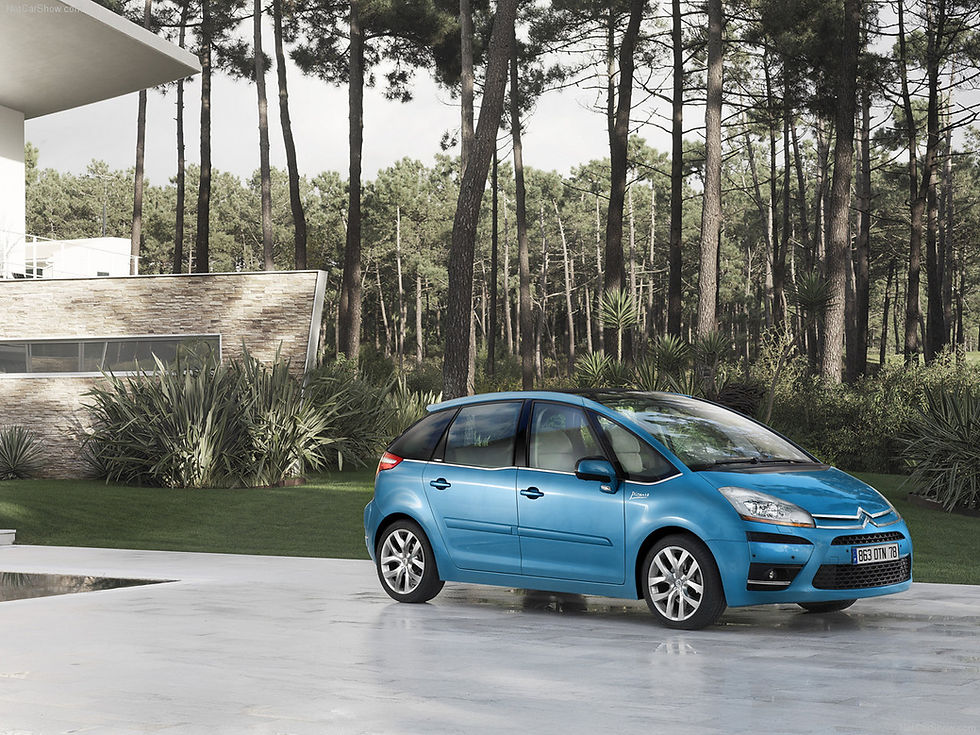
The year 2026 marks a highly symbolic milestone for the heritage of the double chevron brand, simultaneously celebrating several major anniversaries that bear witness to the French manufacturer’s creative genius. While the Berlingo leisure activity vehicle blows out its thirtieth candle and the AX city car commemorates forty years of existence, another monument of contemporary automotive history is crossing the two-decade threshold: the Grand C4 Picasso. It was back at the 2006 Paris Motor Show that this new breed of family vehicle made its very first public appearance, instantly shaking up the codes of a highly competitive market segment. Here is a detailed look back at the genesis, innovations, and commercial trajectory of a bold model that permanently redefined the art of family travel and made a monumental contribution to Citroen's technological reputation.
A unique two-pronged strategy to conquer the MPV market
At the end of September 2006, Citroen officially launched the Grand C4 Picasso, two years after the introduction of the C4 hatchback on which its modern technical platform was based. Destined to take on the heavy burden of succeeding the Xsara Picasso, which had enjoyed immense popular success, the newcomer nevertheless introduced a major historical subtlety that many onlookers have forgotten today. Contrary to conventional industrial logic, the first model presented by the brand was not the compact 5-seat variant, but rather the 7-seat Grand C4 Picasso extended version.
Produced at the PSA Vigo factory in Spain, this elongated body style arrived in dealerships in October 2006. It would not be until January 2007 that the 5-seat version was revealed, making its first public appearance at the Geneva Motor Show in March of that same year.
This staggered timeline reflected a clear ambition: Citroen wanted to split its family vehicle lineup to meet the distinct needs of households precisely, while executing a highly audacious commercial strategy. The brand decided to keep the Xsara Picasso in the catalogue for several years alongside the new C4 Picasso range. By allowing these two generations to coexist, the carmaker successfully covered the European MPV market in an optimal manner, mounting a formidable defense against the undisputed leader of the era, the Renault Scenic.
A bold exterior design balancing dynamism and functionality
On a stylistic level, the C4 Picasso broke sharply away from traditional monovolume shapes, which were often deemed too boxy or austere. Citroen’s design teams infused the model with a strong aesthetic personality, whose front headlights and vertical rear taillights had been subtly previewed a few years earlier by the C-Buggy concept car. This approach was fully in line with the tradition of the time, where the brand's styling exercises served as visual laboratories to announce characteristic elements of future production vehicles.
The greatest strength of this generation lay in the radical stylistic differentiation applied to the two body styles. Far from settling for a simple lengthening of the rear section, the designers gave them two distinct personalities. The 5-seat version adopted a resolutely dynamic profile, characterized by a plunging waistline and a wave effect on the rear side windows that energized the silhouette. In contrast, the 7-seat Grand C4 Picasso favored straighter, smoother, and more prestigious lines, maximizing cabin volume for third-row passengers while stretching the glass surfaces right down to a perfectly integrated rear end.
The Visiospace cabin: a luminous and technological revolution
On the inside, the French manufacturer struck a major blow by inventing the marketing concept of the "Visiospace", a word chosen to supplant the sometimes aging image associated with the term MPV. The main argument of this architecture relied on the adoption, for the first time on a mass-production vehicle, of a massive panoramic windshield. Offering an exceptional vertical viewing angle of approximately 70 degrees, this technical feat required moving the roof crossmember back by more than thirty centimeters. Combined with extremely thin A-pillars, this setup virtually doubled forward visibility and bathed the cabin in absolute light, giving occupants the striking impression of driving under a true glass canopy.
The dashboard stood out for its clear aeronautical inspiration and spectacular uncluttered layout. The traditional dial-based instrumentation was abandoned in favor of a large central digital display grouping all useful information. Ergonomics were reimagined through the integration of the famous fixed-hub steering wheel, inherited from the C4 hatchback. With this system, only the rim rotates while the central hub remains completely stationary, ensuring that the main controls always stay within easy reach of the driver and allowing the deployment of an optimally shaped driver's airbag for maximum safety.
The technological environment was avant-garde for 2006, notably thanks to the presence of an automatic electric parking brake and an automated manual transmission (BMP6) featuring paddle shifters behind the steering wheel, thereby freeing up the central space between the front seats. The top-tier trim levels even crossed into premium territory by offering features worthy of a high-end luxury saloon:
Rear pneumatic suspension ensuring a constant ride height and top-tier comfort;
A quad-zone climate control system with individual controls for the rear seats;
Acoustic laminated side windows for high-level soundproofing;
An air quality sensor that automatically managed air recirculation;
Video screens seamlessly integrated into the back of the front headrests for rear passengers.
A commercial triumph that anchored Citroen at the top of the segment
Succeeding a historic best-seller like the Xsara Picasso represented a huge industrial and commercial challenge for the teams at Velizy. Yet, the comprehensive upmarket strategy and the dual-body offering turned this risky gamble into an instant commercial triumph. In its very first full year of sales in 2007, the model sold approximately 215,000 units across Europe, establishing itself immediately as one of the new must-have benchmarks in the family market.
This wealth of technology and premium comfort won over a massive audience, from large families to drivers looking for a prestigious, light-filled vehicle. Between 2006 and 2013, the first generation of the C4 Picasso totaled nearly 891,000 units sold worldwide. This remarkable performance not only validated the manufacturer's bold technical choices but also sustained the brand's historic legacy of excellence in the family vehicle segment, paving the way for a second generation in 2013 that would push the boundaries of modernity even further.
Twenty years have passed since the Grand C4 Picasso was revealed under the lights of the Paris Motor Show, and time curiously seems to have had no major grip on its fluid silhouette. By executing a radical technological and stylistic break from the Xsara Picasso, this model embodied a masterful transition toward a more modern, safer car that was resolutely focused on onboard well-being. Thanks to its extraordinary technological equipment for the time and its light-bathed Visiospace concept, the first-generation C4 Picasso remains a true industrial success that continues to illustrate Citroen’s historic capacity to reinvent the rules of the family automobile.


Comments